4 min read

What is Universal Design and Why is It Important?

What is Universal Design and Why is It Important?
7:54

You may have heard the term Universal Design and wondered what it meant. It’s not just a design style as the name might lead you to believe. It’s an important social movement aimed at the inclusivity of all people, and it has implications for how we think about our homes.

Universal Design is the design of environments and products to be useable by as many people as possible without modifications, regardless of age, size, ability, or disability. In home design, it’s the idea that all people have the right to live in homes where they can function well in spaces created to be accessible, convenient, and usable. 


The Seven Principles of Universal Design

In the late 1980s, the Center for Universal Design was established at the NC State University’s College of Design. Its founder was architect Ron Mace, himself a wheelchair user, and its purpose was to research, train, and assist in designing homes and spaces that were more accessible to all people. While the Center is not currently active, the principles that it laid out are used today by architects, interior designers, technological companies, and more to ensure that their areas and products are as inclusive as possible.


Number 1: Equitable Use

This means that the design is equally usable for all people whenever possible. An example would be an entryway with no steps and a wide doorway, so people using wheelchairs or walkers don’t have difficulty getting inside.


Number 2: Flexibility in Use

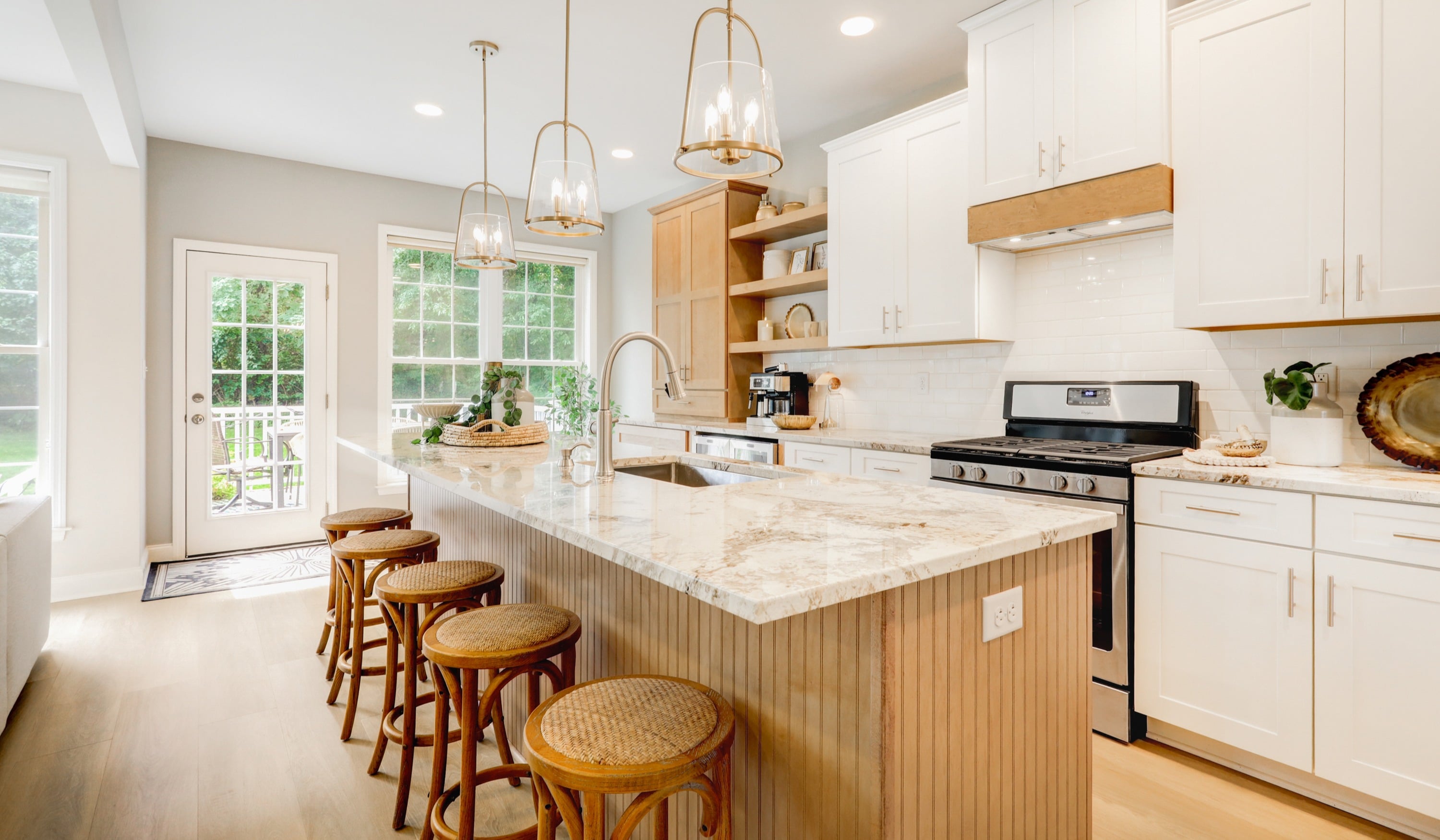
Spaces should have the ability to be changed and configured for specific needs. For example, a kitchen island could be designed with two levels, offering space for people who are sitting or standing, for taller and shorter people, and for adults and children.


Number 3: Simple and Intuitive

Everything about the home should be easy to use, regardless of who is using it, how much experience they have, or their concentration levels. Smart thermostats like the Google Nest Learning Thermostat and the Amazon Smart Thermostat are good examples of this: AI learns what temperatures and schedules you like, and the display is absolutely simple and easy to use.


Number 4: Perceptible Information

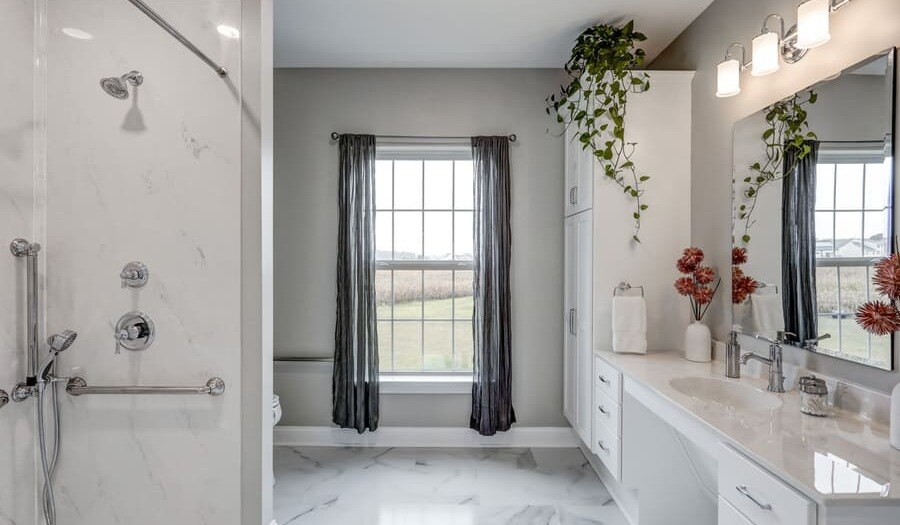
All information should be effectively communicated in ways all users can understand and perceive. In home design, this could mean that staircases use contrasting materials and good lighting to ensure that people can see where the steps are even if they have low vision.


Number 5: Tolerance for Error

Risks and adverse outcomes should be minimized. This can be accomplished by installing grab bars in the shower and near the toilet, using sturdy railings on both sides of a flight of stairs, and ensuring bright lighting in the kitchen. Making use of smart technology can mitigate risks as well by alerting someone in the event of a fall, a smoke alarm going off, or the stove being left on.


Number 6: Low Physical Effort

Getting around in a home built with Universal Design principles in mind should require minimum effort and should minimize fatigue. Ramps in place of stairs when possible can help with this. Having seating in the kitchen and even lowering counters so people can cook while seated are options as well.


Number 7: Size and Space for Approach and Use

The design must allow people to easily use the area regardless of their ability and physical position. This means building wide doorways and hallways, having ample space between furniture, and keeping everything within reach. Pull-down cabinet shelves in kitchens and bathrooms help accomplish this goal.


Modern Architecture and Interior Design

Universal Design and the ideas behind it continue to shape the way we design and build our homes. One great example of this is the movement toward aging in place. More and more people are choosing to stay in their homes as long as possible, with the assistance of technology and modifications that make it safe for them to do so. Universal Design is key in making aging in place possible.

In the home, Universal Design isn’t just for aging in place. Families with young children, people with different physical and mental abilities, those recuperating from injuries or illness, and households with older family members who visit all find Universal Design principles important and helpful.


Practical Applications

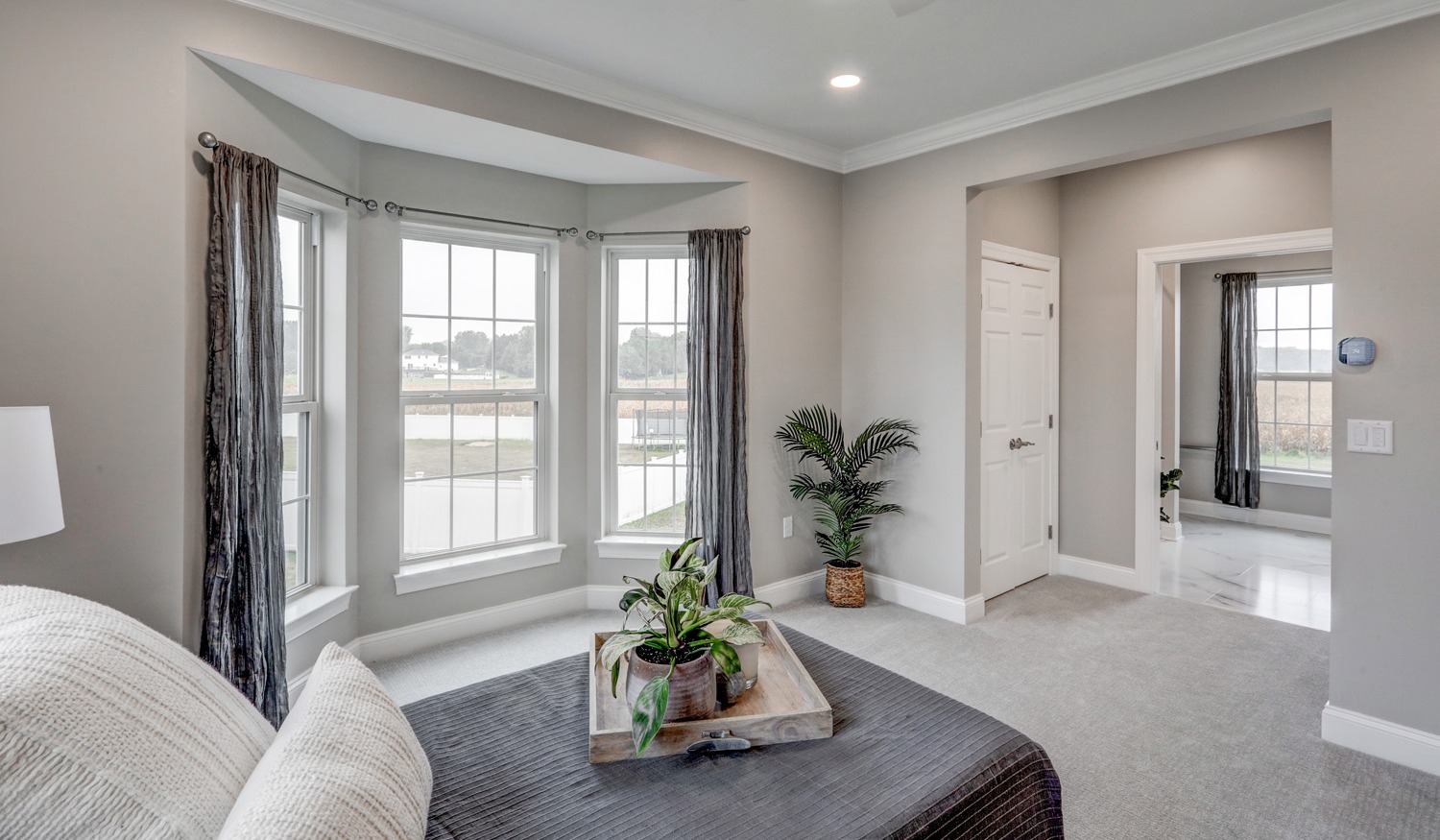
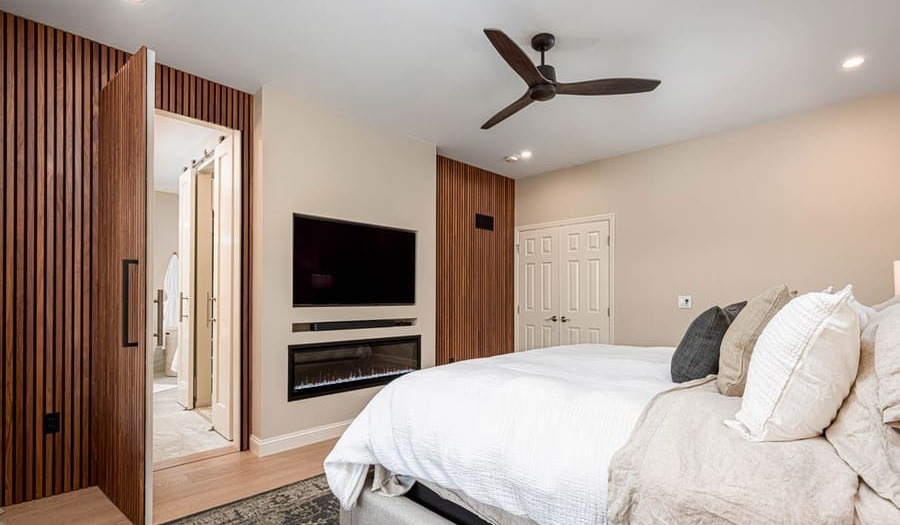
Universal Design can be as beautiful as it is practical. If you’re remodeling your home, consider moving toward a Universal Design approach. You can discuss your desires with your contractor or designer. They’ll help you come up with ideas that are specific to your home and needs. For example, we worked with a couple who needed to have their grandmother move in with them. By turning their unused living room and dining room into a first-floor bedroom and bathroom suite, we were able to provide a safe and beautiful space for their loved one. Click here to see photos of the gorgeous project.


Universal Design in the Kitchen

The kitchen is a prime candidate for the implementation of these principles. As the heart of the home, it’s the room that often gets the most use and also has the most potential for difficulties. Try the following ideas:

  • Widen doorways and hallways. Make sure that anyone in a wheelchair, with a walker, or with other mobility challenges can easily get around. Keep pathways clear.
  • Use bright task lighting to minimize the risk of injury when cutting vegetables, or using the stove.
  • Use pull-down cabinets for the upper cabinets and consider drawers instead of lower cabinets–they’re much easier to lift heavy items out of.
  • Employ color psychology to choose your kitchen paint colors: greens and blues for a calm environment, yellows and reds for an energetic space, or earth tones for comforting, welcoming vibes.
  • Use countertops of various heights and make sure some of them have space for wheelchairs to fit under.


Universal Design in the Bathroom

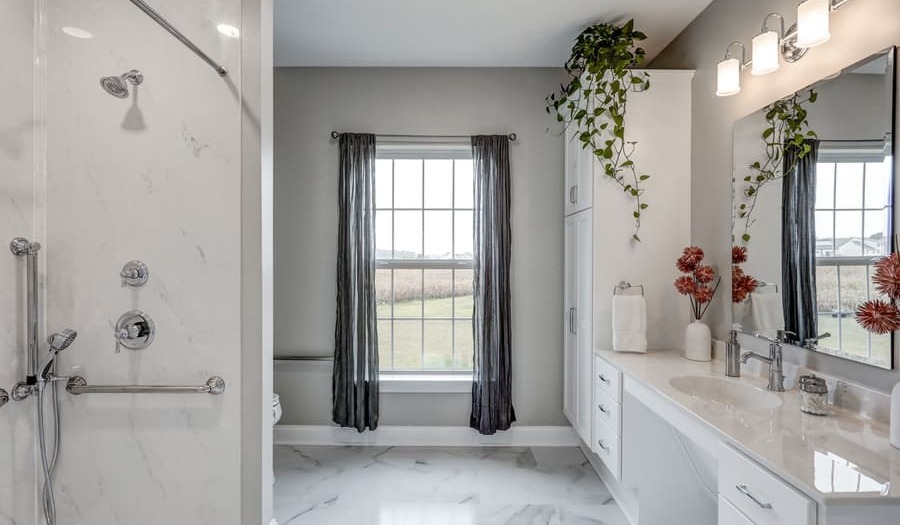
It’s easy to see the appeal of Universal Design in the bathroom (click here for a great example!). From a safety standpoint, making the bathroom as accessible as possible just makes sense.

  • Use grab bars in the shower, near the toilet, and near the tub.
  • Make sure the flooring is non-slip in the shower and in the bathroom itself.
  • Have a curbless shower in a main-floor bathroom.
  • Make sure the door is wide enough to accommodate a wheelchair.
  • Install a comfort height toilet.
  • Use smart technology that turns on the bathroom fan when it senses too much humidity.
  • Use motion-sensing lights and nightlights.


Other Applications of Universal Design in the Home

Other great examples of Universal Design in action in the home include the following:

  • Make sure the main entry to the home is a zero-step entry.
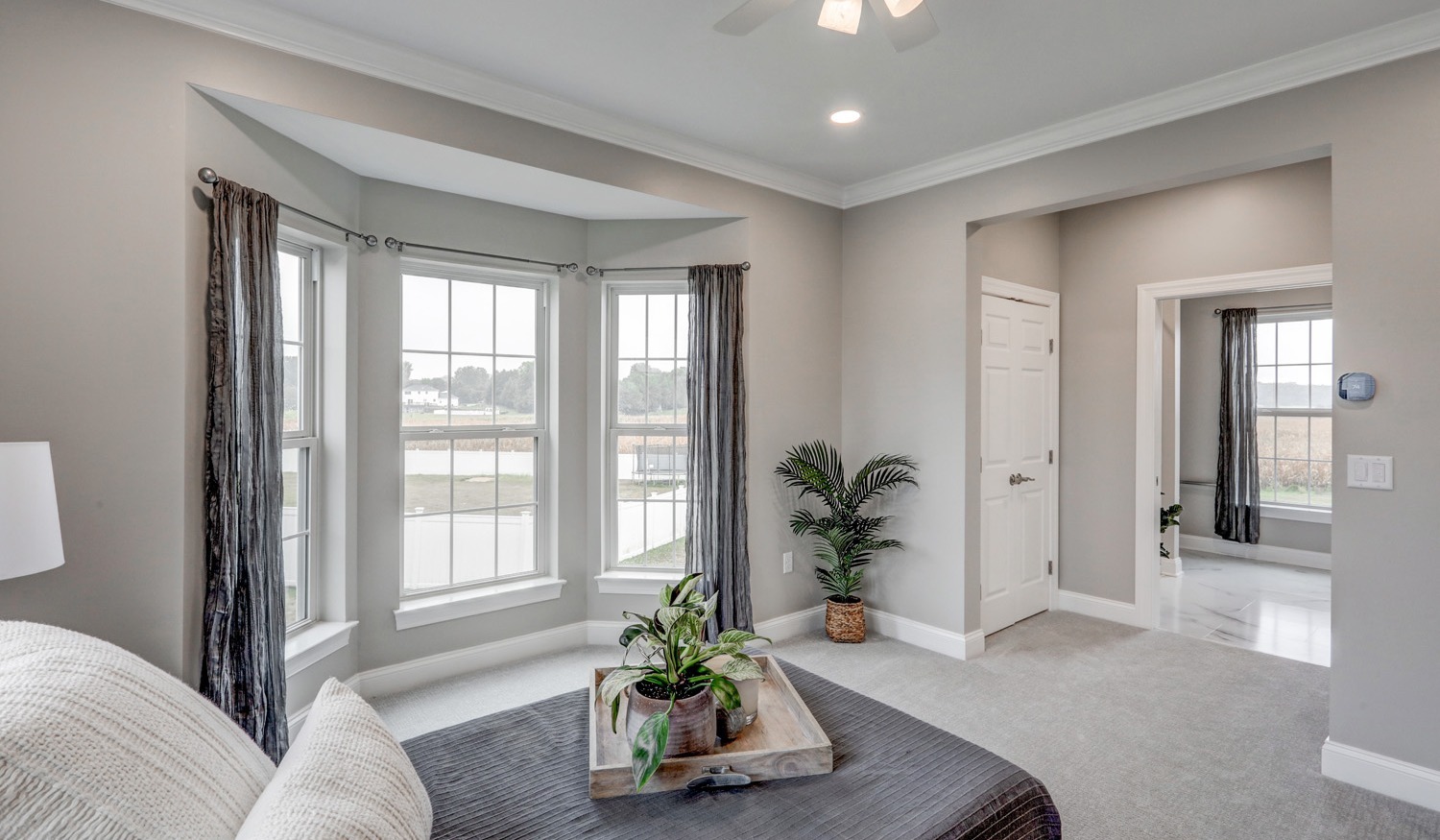
  • The primary bedroom being situated on the main floor means not having to navigate stairs.
  • Widen all doorways and hallways.
  • Employ an open floor plan with furniture that can be rearranged to accommodate different needs.
  • Use layered and adaptive lighting that can be modified for different uses and needs.
  • Make sure you have contrasting colors on stairs and other areas that need to be highlighted.


Universal Design is not a design style or a particular “look” but a way of thinking about every aspect of your home with inclusivity in mind. It’s a great way to approach a remodeling project, making your home the flexible, accommodating, and welcoming place you want it to be. If you’re interested in talking through how your remodel can take advantage of Universal Design principles, contact us today. We have professional designers who can help you make adaptive and inclusive decisions for your home that will serve you and your loved ones for years to come.


New call-to-action

Pinterest Blog (2)-Sep-03-2024-01-09-42-5993-PM


The 3 Most Expensive Remodeling Projects (That Have Nothing to Do with Your Budget)

The 3 Most Expensive Remodeling Projects (That Have Nothing to Do with Your Budget)

The Short Answer The most expensive remodeling projects aren't necessarily the ones with the highest price tags. They're the projects that don't...

Read More
Clever Storage Solutions We’re Loving in Home Remodeling

Clever Storage Solutions We’re Loving in Home Remodeling

When you think about a beautifully remodeled home, storage probably isn’t the first thing that comes to mind. You notice the cabinetry, countertops,...

Read More
Hosting Out-of-Town Guests? Local Lancaster Attractions to Add to Your Itinerary

Hosting Out-of-Town Guests? Local Lancaster Attractions to Add to Your Itinerary

It’s no secret that Lancaster County is a sought-after tourist destination in the mid-Atlantic region. But those of us who live here might take for...

Read More
What Does Aging in Place Really Mean?

What Does Aging in Place Really Mean?

Learn what aging in place means, why it matters, and how universal design features can help Lancaster homeowners create a safer, more comfortable...

Read More
Your Forever Home, Your Way: Design Ideas for Aging in Place

Your Forever Home, Your Way: Design Ideas for Aging in Place

Explore aging-in-place remodeling ideas, from accessible bathrooms to smart layouts, designed to keep your home safe, stylish, and functional.

Read More
8 Must-Have Home Features for Retirees

8 Must-Have Home Features for Retirees

Thinking of retiring soon? Read some tips on how to prepare your Lancaster home for the golden years so you can enjoy your home for many years to...

Read More