
Why You Can't Have the Lowest Price, the Highest Quality, and the Fastest Timeline in Remodeling
Everyone wants the same thing when planning a remodel: exceptional quality, a quick turnaround, and a great price. Unfortunately, those three things...
Learn how much to budget, what costs to expect, and how to avoid expensive surprises when planning your Lancaster home remodel.
If you're thinking about remodeling your home, one of the first questions you're probably asking is:
"How much should I budget?"
Unfortunately, there isn't a one-size-fits-all answer.
A kitchen remodel could cost anywhere from $60,000 to $300,000 or more. A bathroom might be anywhere from $40,000 to $200,000 or more. Two homes with nearly identical square footage can have completely different remodeling costs.
The good news is that there are proven ways to build a realistic budget before you ever begin designing your project.
In this guide, we'll explain:
As a general rule, many homeowners invest 10% to 30% of their home's value into a remodel.
Here's a general guideline:
| Project | Typical Investment |
|---|---|
| Bathroom Remodel | 10–15% of home value |
| Kitchen Remodel | 15–25% |
| Basement Remodel | 10–20% |
| Main Floor Remodel | 20–35% |
| Whole Home Remodel | Varies significantly |
These aren't hard rules. The right investment depends on your home's condition, the quality of finishes you want, and how long you plan to stay in your home.
Many homeowners begin by asking:
"What can I get for $100,000?"
A better question is:
"What problems am I trying to solve?"
For example:
Your goals should determine your remodeling plan. Once those goals are clear, you can build a realistic budget around them.
The biggest cost drivers aren't always what homeowners expect.
Replacing finishes costs far less than changing the layout.
Removing walls, relocating plumbing, or adding square footage all increase the investment.
Cabinets, countertops, flooring, lighting, tile, plumbing fixtures, and appliances all come in a wide range of price points.
Choosing premium materials can significantly increase your budget.
Older homes often hide surprises behind the walls, including:
These conditions may not become visible until construction begins.
Not every remodeling proposal includes the same level of planning, communication, supervision, and craftsmanship.
Sometimes a higher proposal reflects a more thorough design process, experienced tradespeople, and better project management—not simply higher prices.
Many homeowners budget only for construction and forget the additional expenses that can come with a remodel.
These may include:
Planning for these expenses now helps reduce stress later.
Yes.
We generally recommend planning for a 10–20% contingency, depending on the age of your home and the complexity of your project.
Older homes typically require a larger contingency because hidden conditions are more common.
The good news is that a thorough design process helps reduce surprises before construction begins.
At McLennan Contracting, our design process is intended to uncover as many unknowns as possible before construction starts. That allows homeowners to make informed decisions early and often results in fewer unexpected costs during the build.
No contractor can guarantee there will never be unforeseen conditions, but there are ways to reduce the likelihood of budget surprises.
When your designer and builder work together from the beginning, decisions are made with real construction costs in mind—not estimates that may change later.
Making decisions during construction often leads to change orders, delays, and additional costs.
A complete design process allows you to choose materials, fixtures, finishes, and layouts before work begins.
A remodel is a long-term investment.
Consider how your family's needs may change over the next 10–20 years so your remodel continues to serve you well.
The answer depends on your goals.
While resale value is important, most homeowners remodel because they want to improve the way they live every day.
If remodeling allows you to stay in the neighborhood you love, gives your family more functional space, or creates a home you're excited to come back to, the value often extends far beyond dollars.
It's a helpful guideline, but it's not a rule. Many modern remodels, especially kitchens, additions, and whole-home renovations, can exceed these percentages depending on scope and finish level.
Beyond your planned investment, it's wise to have an additional contingency of 10–20% available in case unexpected conditions are discovered or you decide to add work during the project.
Many homeowners use financing options such as:
The best option depends on your financial situation, so it's worth discussing these with your lender before beginning your project.
A realistic remodeling budget should account for:
An experienced remodeler can help you determine whether your goals align with your investment before construction begins.
Every home, and every family, is different.
The best way to determine a realistic remodeling budget is to meet with an experienced design-build team that can evaluate your home, understand your goals, and develop a plan that fits both your vision and your investment.
If you're planning a remodel in Lancaster County, we'd be happy to help you understand what your project could realistically cost and what options best fit your goals.
.png?width=400&height=600&name=Pinterest%20Blog%20(26).png)
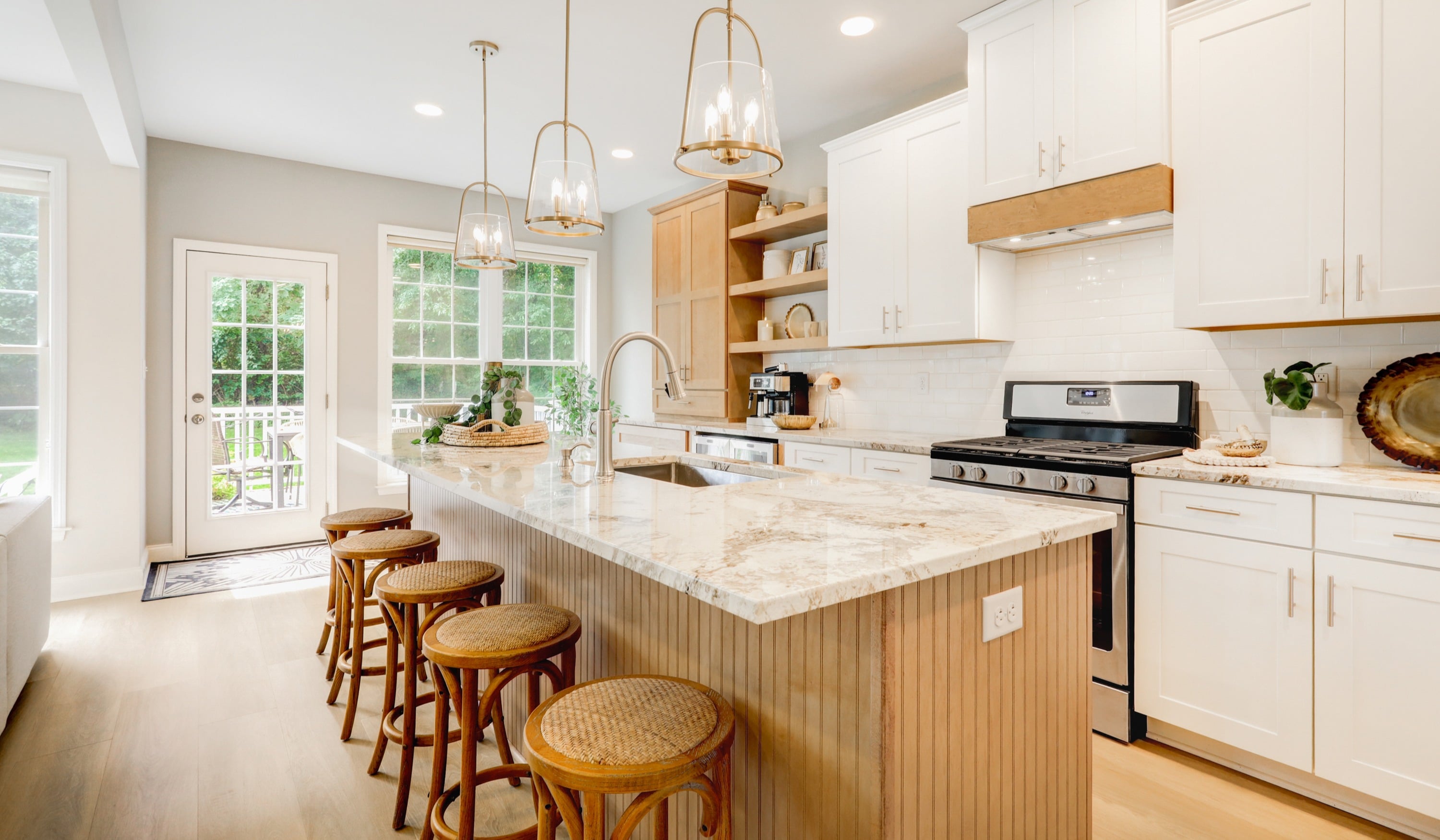
Everyone wants the same thing when planning a remodel: exceptional quality, a quick turnaround, and a great price. Unfortunately, those three things...
It's One of the Most Common Questions Homeowners Ask If you've started researching the cost of remodeling your home, you've probably noticed...
When it comes to home design, many savvy homeowners are thinking beyond their current needs and planning homes that will serve them well for decades....